
By Melissa Alonso | November 2026 – Atlanta, Georgia
What role can architecture play in getting food from a local farm to a family that needs it? How can the design of a building or public space make essential resources more accessible?
And what responsibility do architects have to the communities their work serves?
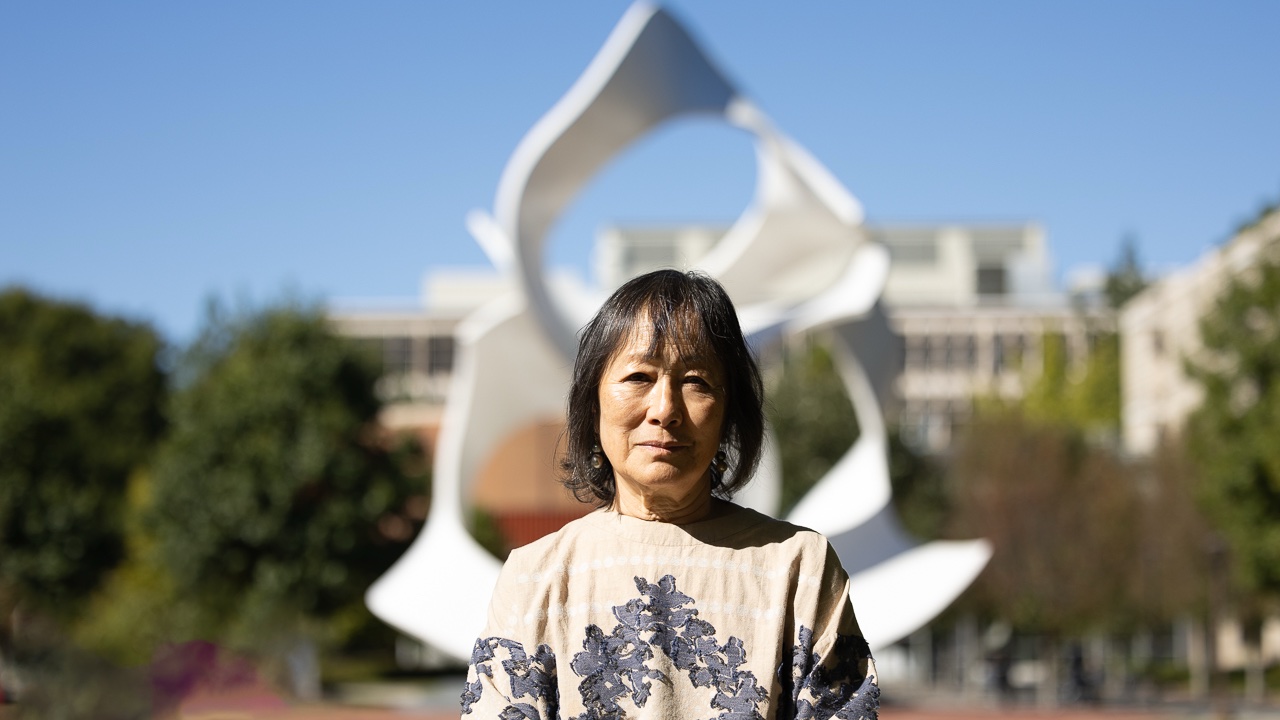
These are among the questions students at Georgia Tech's School of Architecture will explore under the guidance of Billie Tsien, the internationally acclaimed architect selected as the 2027 Portman Prize Critic.
Billie, a founding partner of Tod Williams Billie Tsien Architects | Partners and Studio Tsien, is known for creating buildings that place human experience at the center of design. Her firm's portfolio includes the Obama Presidential Center in Chicago, a project that reimagines the traditional presidential library as a place for civic engagement, education, and community gathering.
Now, she is bringing that same philosophy to Georgia Tech, where she plans to challenge approximately 70 architecture students to consider how the built environment can help address one of society's most fundamental needs: access to food.
"I've always believed that architecture is first about actually humans, the experience," Billie said. "I think that architect's first duty is really to serve."
Designing for a World Beyond the Studio

For the 2027 Portman Prize Studio, Billie is proposing a design challenge centered on food insecurity, exploring the interconnected systems of food production, distribution, and access.
Students will be asked to consider the role of small farmers, the movement of food through communities, and the importance of food banks in connecting resources with people who need them.
The challenge moves beyond designing a single building. It asks students to examine a larger system and consider where architecture might make a meaningful contribution.
"Where does our food come from, how does it get distributed, and I guess who has access to food?" Billie asked. For Billie, the project offers an opportunity to see how emerging designers approach a problem that can seem overwhelming, but where thoughtful interventions can still make a difference.
She is particularly interested in seeing how a large group of students responds to a shared challenge. Having taught smaller studios of roughly 10 to 12 students while maintaining her architectural practice, Billie acknowledged that working with approximately 70 students presents a new experience.
The scale, however, is also part of the appeal: dozens of emerging architects bringing different perspectives, questions, and ideas to a problem that affects communities across the country.
Julie Ju-Youn Kim, FAIA, professor and chair of the School of Architecture, sees the proposed project as an opportunity for students to expand their understanding of what architectural practice can accomplish.
"This project will ask students to think beyond a building," Julie said. "Food connects us all, but access to healthy, affordable food is far from equitable.
This is a chance for students to think critically and creatively across scales." Julie emphasized that architects cannot solve complex societal challenges through design alone, but they can help imagine environments that support better outcomes.
"Architecture alone can't solve that (of course!), but I do believe architects have a role in imagining how the built environment might contribute to meaningful change," she said.
Architecture That Makes People Feel They Belong
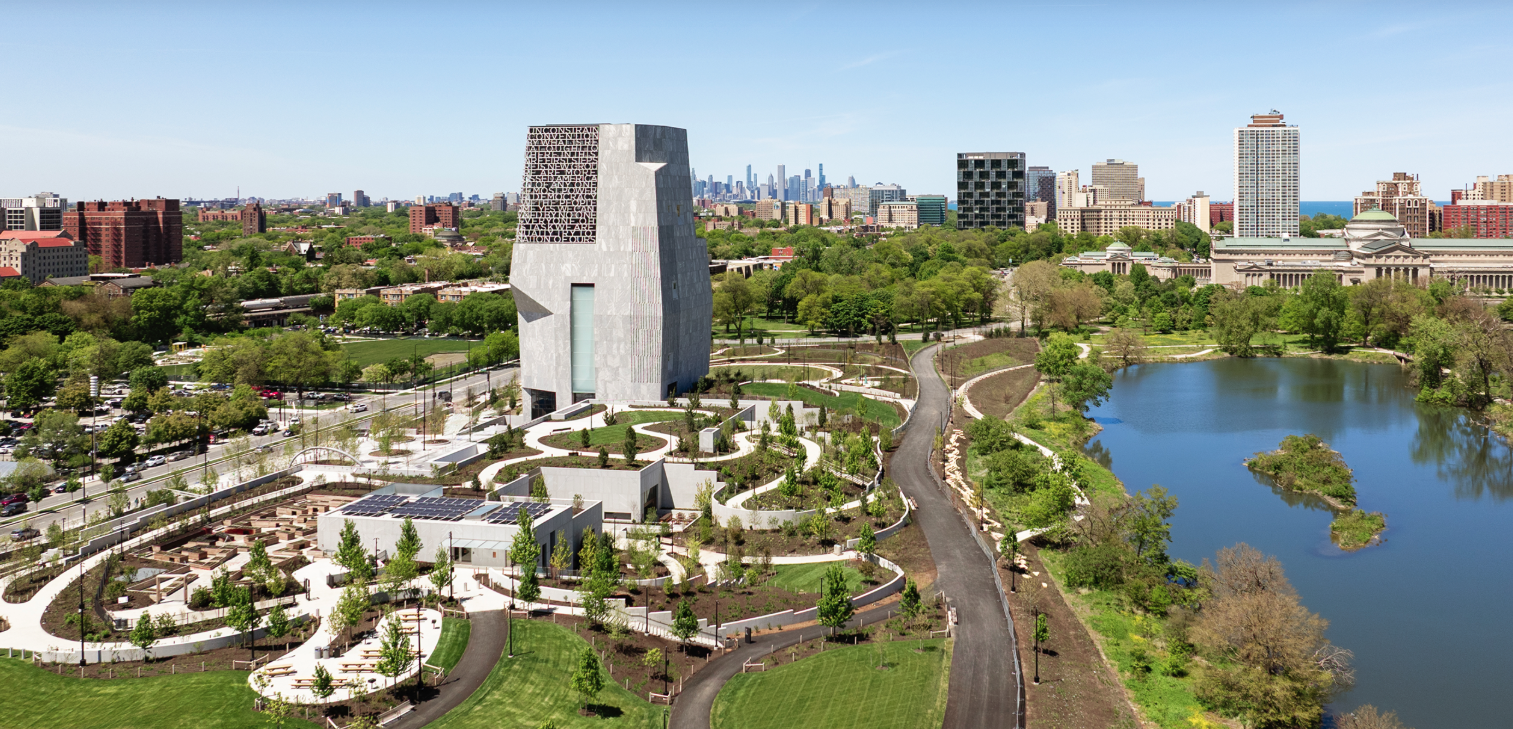
Billie's commitment to designing for people is perhaps most visible in her firm's work on the Obama Presidential Center.
Rather than approaching the project as a traditional presidential library, the design team sought to create a welcoming civic space where visitors could learn, gather, and feel a sense of ownership. For Billie, one of the project's most meaningful experiences came from watching visitors enter the center and seeing their emotional reactions to the space.
She recalled people who had traveled across the country to experience the building, including visitors wearing shirts celebrating President Barack Obama and the new center. What stayed with her was not the building's architectural recognition or the attention it had received, but the reactions of the people walking through its doors.
"The people walked in, and the look on their faces was just that. Okay, this belongs to me. I belong here. It's mine," Billie recalled.
That experience reinforced something she had long believed about architecture: a building's significance cannot be measured solely by its appearance or its reception within the profession. Although the Obamas and the Obama Foundation commissioned the project, Billie came to see the visitors who traveled to experience it as clients, too.
For students preparing to enter the profession, the lesson extends beyond any single project. Architecture must respond to the people who inhabit it, the communities surrounding it, and the needs it is intended to serve. Billie believes the most meaningful architecture begins with understanding those needs.
Design can then elevate a practical solution into something that surprises, inspires, and creates a lasting experience. "But it always starts with service and the problem," she said.
Continuing the Portman Legacy
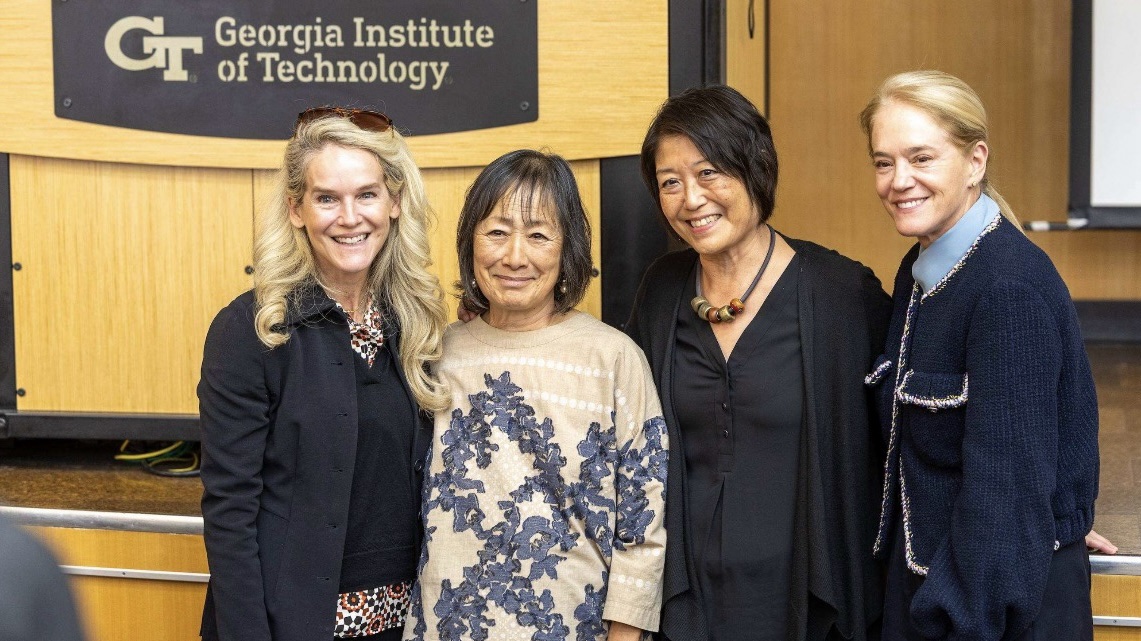
For more than 25 years, the Portman Prize Studio has connected Georgia Tech architecture students with distinguished practitioners who challenge them to explore new approaches to design.
The program honors the legacy of John Portman (ARCH 1950), the renowned architect and developer whose work helped transform Atlanta's skyline. Established in 2000 with support from his firm, John Portman & Associates, the program has been supported by the Portman Foundation since 2023.
The Portman Prize and Visiting Critic Program encourage design excellence, creativity, and the integration of technical considerations into the architectural design process. Each year, the visiting critic works alongside School of Architecture faculty, providing guidance throughout the semester and leading a distinguished jury that evaluates student projects.
The competition awards monetary prizes, and since 2024, the top prize winner has also been offered an internship with Portman Holdings. The program also brings internationally recognized architects to campus for public lectures, creating opportunities for the broader Georgia Tech community to engage with influential voices in design.
For students, the experience offers more than recognition. It provides direct exposure to professional perspectives, design challenges, and the critical thinking required to translate ambitious ideas into meaningful architecture.
Billie's appointment continues that tradition, connecting Portman's legacy of architectural ambition with a new generation of designers examining how the built environment can respond to contemporary challenges.